Your phone isn't ringing. It might be your coordinator network.
Your next 10 referral opportunities already exist. They're sitting with coordinators who haven't heard of you yet.
A startup SIL provider with zero referral history: five support coordinators put their hands up for a conversation in the first nine days after go-live.
90 days
coordinator engagement guarantee
6–8 names
on every coordinator's shortlist
3 weeks
to go-live


Richard and Rayan
13 years in NDIS operations. Richard scaled 0 to 26 homes.
Watch the 10-minute video below. Then book the call.
90-day coordinator engagement guarantee · Written terms before you pay anything
Most providers already know they need more coordinator relationships. The question is why outreach keeps stalling — and what actually changes at 20.
10 minutes · Watch before booking the call
The video names the mechanism. The call maps it to your service area.
Why coordinators aren't calling you
Every support coordinator carries a mental shortlist of 6–8 providers. Placements go to names on that list — not the best provider in the area. Names get on the list through consistent contact over 8–12 weeks. Most providers never start.
If you had a list of every support coordinator placing participants in your service area — would you reach out to them?
The system builds that list. Then runs the outreach for you.
What the gap is costing you
8–12
participants placed per coordinator, per year
One active coordinator relationship is 8–12 placement conversations per year — each one a potential client.
×80
active coordinators in a typical service area
Most providers have reached fewer than 5. The other 75 are placing participants with someone else.
600–960 placement conversations per year in your area — happening without you.
The diagnostic maps the exact number for your service area.
What is the gap costing your operation specifically?
Service type
Annual referral opportunity missed
$6,240,000
15
coordinators gap
15 coordinator gap × 8 referrals/year × $52,000/participant (SIL / SDA) · Self-sustaining threshold: 20 active relationships
Startup SIL provider · Sydney → five support coordinators put their hands up for a conversation in the first nine days after go-live. Reached without a single cold call.
Get My Free Coordinator Gap AnalysisNo commitment · No cost · 4 installs per month
90-day coordinator engagement guarantee · Written terms before you pay anything
Coordinator shortlists are forming right now. The providers on every list in your area started their outreach 90 days ago. Every week this gap stays open is another week of referrals going to providers who reached out first.
Want your personalised coordinator score first?
4-minute coordinator dependency assessmentThat result took 30 days. Here is why most providers never get there.
The real issue
Three coordinator relationships
is a dependency, not a referral base.
It is a dependency. When one coordinator moves organisations, your referral volume moves with them.
Support coordinators carry a mental shortlist of 6–8 providers. Those names got there through consistent contact — not through quality, not through geography, not through price. Consistent presence over 8–12 weeks. That is the entire mechanism.
The coordinators who don't know you exist are placing participants in your service area right now — referring to other providers not because those providers are better, but because they started their outreach before you did.
This is not a relationship problem. It is a reach problem.
In a service area with 80 active coordinators, each placing 8–12 participants per year: that is 640–960 referral conversations annually. If you have 3 active coordinator relationships — you are competing for roughly 25 of them.
What has not worked
Cold-calling coordinators — screened out before a relationship starts
Directories — listed alongside 80 competitors
Marketing agencies — traffic, not referral relationships
Networking events — one-to-one, cannot scale across 80 coordinators
None of these put your name on a coordinator's shortlist. That requires the 8–12 week consistent contact cycle coordinators actually respond to — run simultaneously across every referral source in your area.
How it works
Coordinator Intelligence System.
Runs without you.
A structured outreach sequence to every referral source in your area — support coordinators, LACs, occupational therapists, hospital discharge planners. Not a cold email blast. A trust-first relationship sequence.
We source every active Support Coordinator in your area from Apollo's 140M+ contact database. 40–60 sequences run per month — no vacancy pitches, no mass blast. Every reply routes to you within four minutes.
Weeks 1–2
Recognition
The coordinator reads your name for the first time. Not a pitch. A plain-text note that references something specific about their work or their area. They don't delete it. That's the entire job of week one.
Weeks 3–4
Credibility
A second message arrives — same sender, same plain text. It demonstrates that you understand the coordinator's role and the pressures they face. They begin to associate your name with competence rather than noise.
Weeks 5–8
Reliability
A consistent cadence at reasonable intervals. The coordinator learns that contacting you produces a response. Speed and consistency are the signals coordinators use to decide whether a provider is worth referring to.
Weeks 9–12
Proof and Invitation
Evidence from coordinators who have placed participants successfully. Then a standing offer: when you have a participant who fits our profile, here is exactly how to reach us and what happens next.
When a coordinator replies — they are forked out of the sequence immediately. You get an alert with full context. You enter the conversation warm. The sequence continues for everyone else.
From: Marcus Webb <m.webb@steadfastnds.com.au>
To: Sarah Chen <sarah.chen@example.com>
Subject: Sarah — Steadfast NDS, May
Hey Sarah,
Saw the move to Senior Specialist Support Coordinator at Marli and Moe in May; that kind of step up usually happens when someone has been insisting the coordination work be done properly, and now the quality of every placement your team makes sits with you. I imagine that's a particular kind of weight when you're navigating it without the ground-level read of what actually happens when a provider doesn't match the complexity.
Marcus Webb — Steadfast NDS, south-west metro and the outer corridor, SIL and high-needs complex. Built this because every provider we worked alongside had the same gap: no one who answered when something went wrong after hours.
If you're ever stuck on a hard-to-place case, worth having a name to call.
Marcus
Steadfast NDS
The agent found Sarah's LinkedIn announcement — a career move, not a placement post. The opener names what the promotion actually means: accountability for every placement her team makes. No vacancy. No pitch. One sentence of provider identity with the exact service match. “Worth having a name to call” — no deadline, no ask. She files Marcus under “handles complexity” before she's ever placed with him.
Why this is a different mechanism
Not email marketing.
Shortlist insertion.
Manual outreach / hiring an admin
Coordinator Intelligence System
~10 coordinators per month
40–60 new coordinators a month — 120+ a quarter
No database. Knowledge walks when staff leave.
Coordinator intel database — owned by you, permanent
No sequence logic. One email or phone call.
12-week, 6-phase sequence targeting the shortlist mechanism
No reply detection. You find out when they call.
Reply forks out instantly. You're alerted with full context.
No record of who engaged
Every reply logged to your coordinator database
No compounding. Every month starts cold.
The database compounds. Each month more coordinators know your name.
The mechanism
Every coordinator maintains a mental shortlist of 6–8 providers. Placements go to names on that list.
Names get onto the list through consistent contact over 8–12 weeks. Not one email. Not a Facebook comment. A sequence that starts with recognition, builds credibility, and ends with a standing offer — timed precisely for the moment a coordinator has a participant who fits your profile. The system runs that sequence for every coordinator in your area simultaneously.
A competitor who hires an admin to do this manually reaches 120 coordinators in a year. The system reaches that number in 3 days. After 12 months your database has 500+ coordinator intelligence entries. A new entrant starts from zero.
What the system builds over time
The database is the product.
It compounds every month it runs.
Month 1
200+ coordinators mapped
Every active Support Coordinator, LAC, and discharge planner in your service area. First outreach sent. Your name exists to people who never heard of you.
Month 3
Response patterns emerging
Warm coordinators identified. Relationship status logged. The database knows who opens, who replies, and who's placed a participant with a similar provider. You inherit that intelligence.
Month 12
A commercial asset
A coordinator intelligence database with independent value. A competitor entering at month 13 starts from zero. You don't. That's the moat.
The outreach sequences are the method. The coordinator intelligence database is the product. You own it — regardless of whether you continue the retainer.
AI that does the admin. Humans that do the care. The system handles outreach, follow-up, and reply routing. It doesn't touch care decisions, funding calculations, or participant assessments. Every warm conversation routes to you. You make the call.
Results
Real results. Unedited.
SIL Provider · Sydney
Name withheld by request
A startup SIL provider with zero referral history. We mapped the active referral sources in their service area — every support coordinator, LAC, and discharge planner placing participants there — and ran the sequence.
5
coordinator hand-raises
9
days from go-live
0
cold calls made
Not because they became better. Because they became present.
The guarantee bar — a coordinator actively engaging the intake pathway — was met inside nine days.
We ran this install directly. The count comes from the client's own reply threads — five coordinators raising a hand inside the first nine days of go-live. We can map the same numbers for your area on the call. — Richard & Rayan, Build n Bloom
How the outreach runs — every install
200+
referral sources mapped per area
coordinators, LACs, OTs, planners
6 steps
per coordinator
over a 12-week sequence
40–60
new coordinators a month
one plain-text note at a time
Follow-up emails fire at weeks 2, 4, 6, 8, and 10. Reply volume compounds as coordinator names accumulate recognition across the sequence.
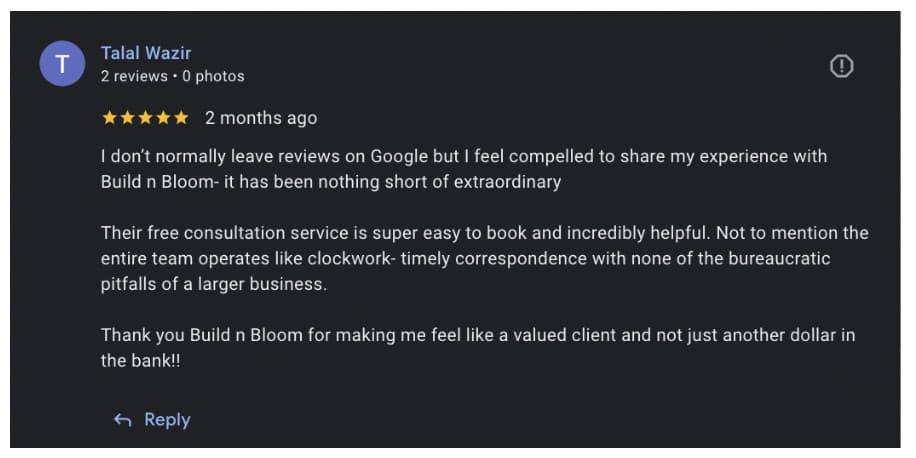
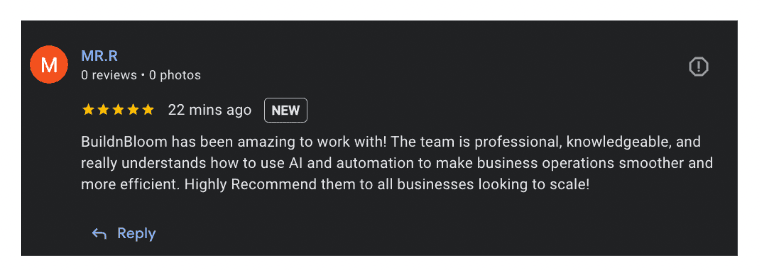
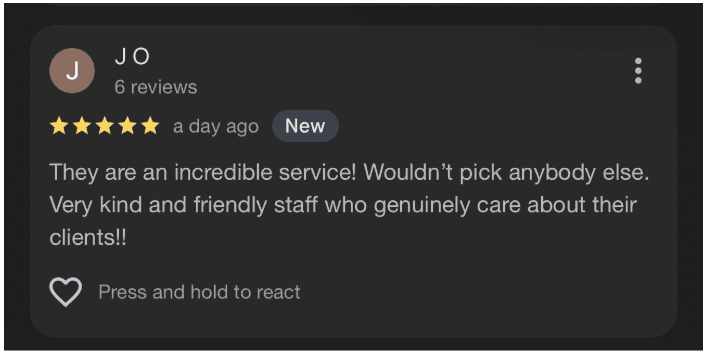
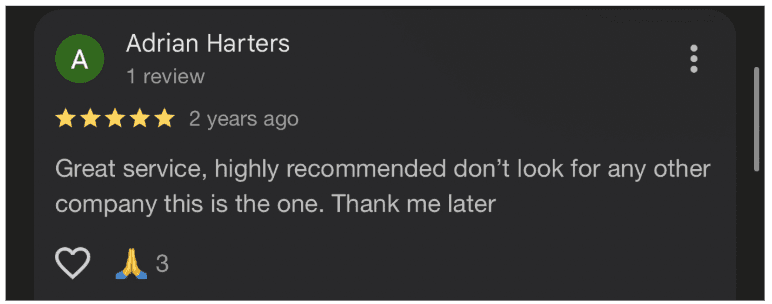
12+ five-star reviews
·
Miguel A. V.
Local Guide · 25 reviews
1 week ago
Richard was fantastic, a true bright young man full of ideas and good intentions paired with the know-how and discipline, he will 100% be a good guide to follow.
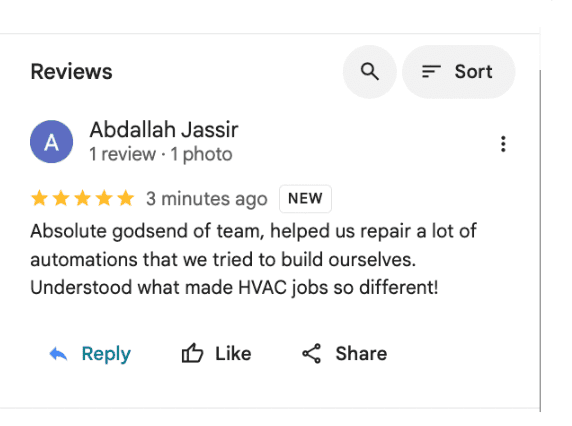
Abdallah Jassir
1 review · 1 photo
3 days ago
Absolute godsend of a team. Helped us repair automations we tried to build ourselves. Understood what made our jobs so different. That was the part we didn't expect.
System performance — across installs
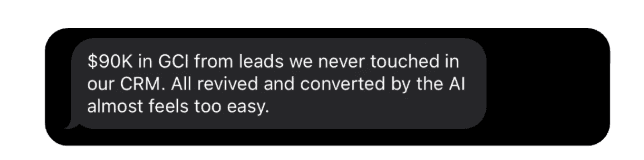
The outreach architecture is the same regardless of industry — coordinators replace agents, referrals replace leads. These are reply and conversion results from other installs.
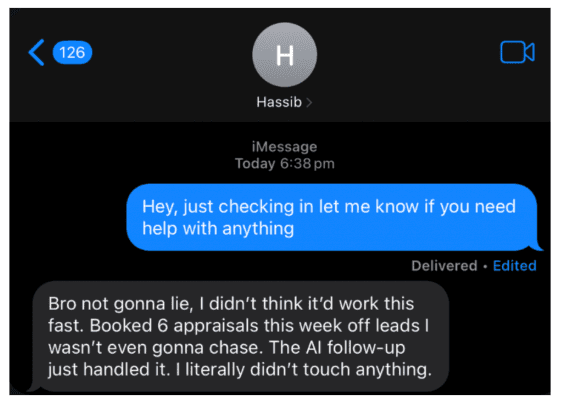
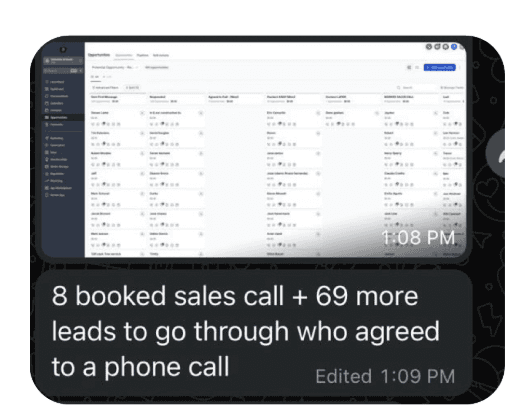
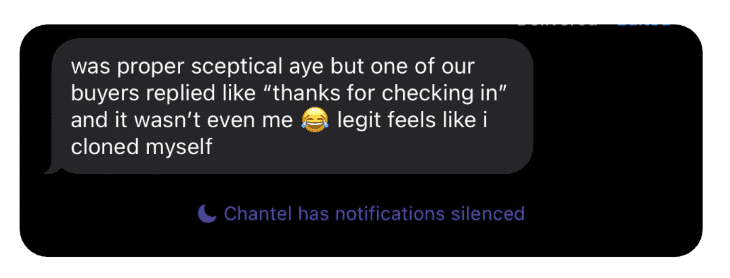

We spent 13 years inside NDIS operations between us. Richard scaled a provider from zero to 26 homes over five years. We built this system because we needed it and it didn't exist. That's the only reason we know it works.
Month 3 — what it looks like
By month 3, the sequence has run a full cycle across every coordinator in your area, and the ones who engage are in active conversation with you.
Your coordinator intelligence database has 200+ entries — every interaction logged, reply status tracked, relationship warmth scored. You know which coordinators open every email. You know which ones placed a participant with a similar provider last month.
A competitor starting their outreach today arrives in your area in month 4. They start from zero.
You stop being the one waiting for the phone to ring. The pipeline runs without you in it.
The database compounds. The gap between you and a provider who hasn't started widens every month.
No commitment · No cost · 4 installs per month
90-day coordinator engagement guarantee · Written terms before you pay anything
The guarantee
90
days for a coordinator to
actively engage with your intake pathway.
Or your money back.
If a coordinator hasn't actively engaged with your intake pathway within 90 days — full refund.
The coordinator database, the outreach sequences, and everything built stays with you regardless of outcome. Documented in a one-page terms letter, signed before you pay anything.
We guarantee coordinator engagement, not placements. Placement depends on caseload, funding, and participant preference — none of which anyone can control. If you're not sure what to do once a coordinator replies, the onboarding covers that. Converting coordinator conversations into referrals is a teachable skill. We teach it.
Documented · Signed · Yours to keep regardless of outcome
One coordinator relationship: 8–12 referral conversations per year. Install pricing is covered in the gap analysis call.
For providers ready to scale · 4 installs per month
90-day coordinator engagement guarantee · Written terms before you pay anything
From the 30-minute call
You leave with a written report.
Yours to keep, no matter what.
Build n Bloom
Coordinator Gap Analysis
Yours to keep
Coordinator Gap Analysis
Active referral sources in your area vs. your current reach — quantified
Gap Cost Estimate
What the coordinator gap is costing you in placements at current occupancy rates
Agent Fit Assessment
Whether the Referral Agent is the right first install for your operation
Deployment Recommendation
First agent, go-live timeline, and guarantee terms — stated before you commit
Sent within 10 minutes of the call ending
Common questions
What if a coordinator already has a bad impression of our organisation?
The sequence starts from a clean position — it does not reference prior contact, prior complaints, or prior history. The first message reads as a cold introduction, not a re-approach. If a specific coordinator has flagged a concern about your organisation directly, you can exclude them from the sequence manually during setup. The system is not designed to repair an actively damaged relationship — it is designed to build new ones at scale with the 75+ coordinators who have no impression of you at all.
Is this AI? We've seen what happened with Robodebt.
Yes, it's AI. The concerns about automated systems in the NDIS sector are legitimate. Robodebt applied automated decision-making to participant welfare outcomes — funding, eligibility, debt recovery. This is coordinator outreach. The system identifies coordinators placing participants in your service area, initiates first contact, and tracks replies. It does not assess participants. It does not calculate funding. It does not touch anything involving a participant decision. AI does the admin. Humans do the care. Coordinators reply to you — a person they can call back. The decision-making stays with your team.
Will coordinators know this is automated?
Emails go out under your provider name, from a verified account. Plain text. No branding. It reads like your operations manager sent it. We've had coordinators reply asking to book a site visit. The conversation that follows is yours to manage.
Do I need to manage the system day to day?
No. We build and run the entire system. You don't configure it. You don't manage it. You get an alert when a coordinator replies — and you take over from there. That's your only ongoing job.
What's the guarantee exactly?
A coordinator actively engages with your intake pathway within 90 days — asks about a participant, requests capacity information, or sends a referral. That guarantee is documented in a one-page terms letter, signed before you pay anything. If it doesn't happen within 90 days, full refund. You keep the coordinator database and everything built — regardless.
How is this different from hiring someone to do outreach?
An admin doing outreach manually reaches approximately 10 coordinators per month. The system runs 40–60 new coordinators per month — 120+ in the first quarter, with every interaction logged to a coordinator intelligence database that belongs to your organisation. When staff leave, the pipeline and the database stay.
How many installs do you take per month?
Four installs per month — fixed capacity. When the month fills, the next available start moves to the following month. We don't install the same outreach system for two competing providers in the same service area. If capacity is open when you book the diagnostic, your start date is held from that point.
What happens in the 30-minute call?
You walk out with your area mapped — the exact number of active referral sources in your service area, what the gap is costing you in placements at your current occupancy rate, and a written recommendation on whether the Referral Agent fits. That mapping takes 15 minutes. The remaining 15 is yours to use. The report is yours to keep whether you proceed or not.
The coordinators placing participants this week already have providers they call first.
This is how you become one of them.
Not because those providers are better. Because they are present and you are not.
Every week this gap stays open is another week of placements, referrals, and revenue going to providers who reached out first. The 30-minute diagnostic maps the gap and what it is costing you. Written recommendation in your inbox within 10 minutes of the call ending.
Get My Free Coordinator Gap Analysis4 installs per month · No commitment · No cost
90-day coordinator engagement guarantee · Written terms before you pay anything
Build n Bloom · ABN 18 494 272 134
Free 30-minute diagnostic call
90-day guarantee · 30 minutes · No commitment