Skip to content
Skip to content
Build n Bloom
Beyond advisory · AI implementation for businesses

Build a business that can take on more.

We help businesses put software and AI to work in the way they already run. We get to know the business, find the opportunities worth acting on, including some you might not think to ask for, then design, build and install the system with the people who will use it. Your team keeps the decisions and the customer relationships.

Book a free Fit Call See what we build
  • With a founder
  • 25 minutes · no fee
  • No confidential files
KJ-EX-01Fictional example

Kelvane Joinery · a kitchen enquiry becomes a quote

  1. Input and permission

    A new enquiry from the website form, with only the details the business allows the system to use.

  2. Prepared work

    A draft quote from the current price list and two similar past jobs.

    • Base cabinets, three unitsPrice list
    • Stone benchtopSimilar past job
    • Wall heightMissing · request prepared
  3. Decision and record

    The estimator corrects the benchtop line and approves. The accepted quote moves to the job board with its sources attached.

Fictional example. Kelvane Joinery is invented. Missing measurements are flagged, not guessed. Nothing here runs or connects to a real system.

Your ambitions shouldn't depend on asking more of your people.

Most owners already know where they want the business to go. A new service. More of the customers you do your best work for. A better experience for the ones you have. What usually holds it back is time, and the same few people carrying more of it.

AI has made plans that once needed a much bigger team feel achievable with the one you have. Our job is to turn that into working software inside your business: built around how you already work, used by your own people, and measured with you.

Who this is for
Small and boutique businesses with a team and a repeatable piece of work they want to do better.
Not through this route
Enterprise transformation programmes, and healthcare or disability-services work.

Start with the part of the business you know best.

Bring the work you want to improve, even if you don't yet know what to build. These are the areas we most often look at.

Operations

Illustrative

The workJobs, schedules, handoffs and the checks between them.

What we might buildIntake that opens a job with the right details and flags what's missing. A schedule view that pulls from the tools you already use. Alerts that route a mismatch to the person who can fix it.

Stays with your peoplePriorities, commitments to customers and anything out of the ordinary.
Sales and admin

Illustrative

The workEnquiries, quotes, proposals, follow-up and keeping the CRM current.

What we might buildEnquiry sorting. Draft quotes or proposals from your price list and past work, ready for review. CRM notes prepared after a call and checked before they're saved.

Stays with your peopleWhat you offer, what you charge and what goes out under your name.

Customer service

Illustrative

The workQuestions, requests, order updates and complaints.

What we might buildDraft replies grounded in your own policies and records, for a person to approve. Request routing. Status lookups across the systems that hold the answer.

Stays with your peopleWhat's promised, every exception and the conversations that matter most.

Finance and back office

Illustrative

The workInvoices, supplier bills, reconciliation and reporting.

What we might buildMatching invoices to orders and flagging what doesn't line up. Month-end preparation. Draft reports from your accounting data.

Stays with your peoplePayments, approvals and every accounting decision.

Illustrative examples, not client work. See how we'd build them

From the first conversation to a system your team runs.

We follow the deployment guidance OpenAI and Anthropic publish for businesses and for the partners who implement their models: start with one contained piece of work, agree what success means before building, test on real cases, keep people deciding on anything consequential, run the new way alongside the old one, then expand.

Each step ends with a decision that stays yours. You can stop, simplify or change direction at any of them.

Build n Bloom is independent and not affiliated with, certified by or endorsed by OpenAI or Anthropic.
  1. Discover

    A free 25-minute Fit Call with a founder. Tell us how one part of the business runs, what already works and what you'd like to make possible. No technical brief needed.

    You decide: whether there's something worth exploring.

  2. Find and rank the opportunities

    We walk through the work with the people who do it: who does what, which tools hold the information, where time goes, what repeats, what waits on one person and what needs judgement. We rank what we find by how much it matters and how hard it is. The first thing we build should matter to the business, be contained, use information you're allowed to use, and be low-risk if it goes wrong. We'll also say when something isn't worth building.

    You decide: which opportunity to start with, or none.

  3. Agree what “better” and “working” mean, then quote

    Before any build we write down the measures we'll check with you, the test cases drawn from real work, including the awkward ones, which decisions stay with named people, what the system may read and do, and how to go back. Then we quote in writing.

    When the scope is clear

    Build
    One useful capability for one team and one piece of work.
    Connected Build
    Two or three linked steps of the same process.

    When the design needs work first

    Optional Blueprint
    Maps one important path through the business, fully designs three connected opportunities and recommends where to start. You keep it whether or not you build with us.

    You decide: whether to commission the work, and which route.

  4. Your first build

    Build the simplest thing that works

    Rules where rules are enough. A single AI step before an agent, and one agent before several. We build in your environment, around the tools you already use, with the minimum access the work needs. Then we test it against the cases we agreed, including missing information and failures, before anyone relies on it.

    Your team: provides the access and test material, and nothing consequential runs without its named person.

  5. Run it alongside, with the people who'll use it

    The new system runs on real work beside your current way of doing things, with a person reviewing what matters, until it has proven itself. We train your team on representative cases and agree together who owns it, how problems are reported and how to switch it off.

    You decide: whether to accept it, in writing.

  6. Stabilise, measure, then decide what's next

    Thirty calendar days of in-scope stabilisation follow. We keep checking the agreed measures on real work, with your numbers. We expand only when the first piece has earned it. Nothing renews automatically.

    You decide: run it yourselves, agree continuing support, or build the next piece.

Sometimes the right answer is a tool you already have.

Before recommending a build, we compare it with simpler options. A build has to earn its place in the work, including the time your team spends checking and correcting it. If your current setup already does the job, we'll tell you.

  1. FirstA change to the process

    Clearer steps and owners, with no new software.

  2. ThenBetter use of what you pay for

    Features and connections your current tools already have.

  3. ThenA product configured for the job

    A standard tool set up around the work.

  4. Only when it earns its placeA tailored build

    Software and AI designed around your work, tested and handed over.

You'll know what it can see, where data goes and who still decides.

For every installation we agree the boundaries before production work begins, and we test against them before you accept.

Permitted sources
What the system may read, and what it may not.
Minimum access
Only the fields, folders and actions the work needs, with named people who can grant or revoke it.
Named decisions
Anything consequential, hard to reverse or involving money goes to a named person who can correct, reject or approve. The system can prepare, compare, draft and flag. It doesn't decide those things.
Acceptance tests
Written down before the build from representative work, missing information and failure cases. Run before you accept, and again during stabilisation.
A way back
The old way of working stays available until the new one has proven itself. Who can switch it off, how to return to the old process and how a change gets approved are agreed in writing.

Which model and provider process your data is agreed and disclosed for each installation.

Read security and governance

We agree what “better” means before we build.

We don't promise hours saved, revenue or headcount changes.

Acceptance proves the system behaves as agreed on the test cases. The wider effect on the business we measure together, over time, on real work and with your numbers, and we only expand when the first piece has earned it.

Written down before the build

The measures
What a better result looks like for this piece of work: turnaround, rework, how often something is missed, how the team feels about the job.
The test cases
Drawn from real work, including missing information and the awkward cases.
Who checks
The named people who review results and accept the system.
When we look again
During stabilisation, and before anything is expanded.

Terms shared by every build.

Acceptance
Tested with your team on representative work against the criteria in your quote, then accepted in writing.
Stabilisation
Thirty calendar days of in-scope stabilisation after written acceptance.
Continuity
Continuing support is optional and agreed separately.

Fees, effort and timing depend on the agreed scope. If core work fails, we correct and retest it free; if it still fails under the ten-business-day correction process, you may stop and receive fees actually paid for the installation and associated Blueprint, subject to the full terms. A completed Blueprint has a 14-day satisfaction refund after delivery and review. Read the service guarantee.

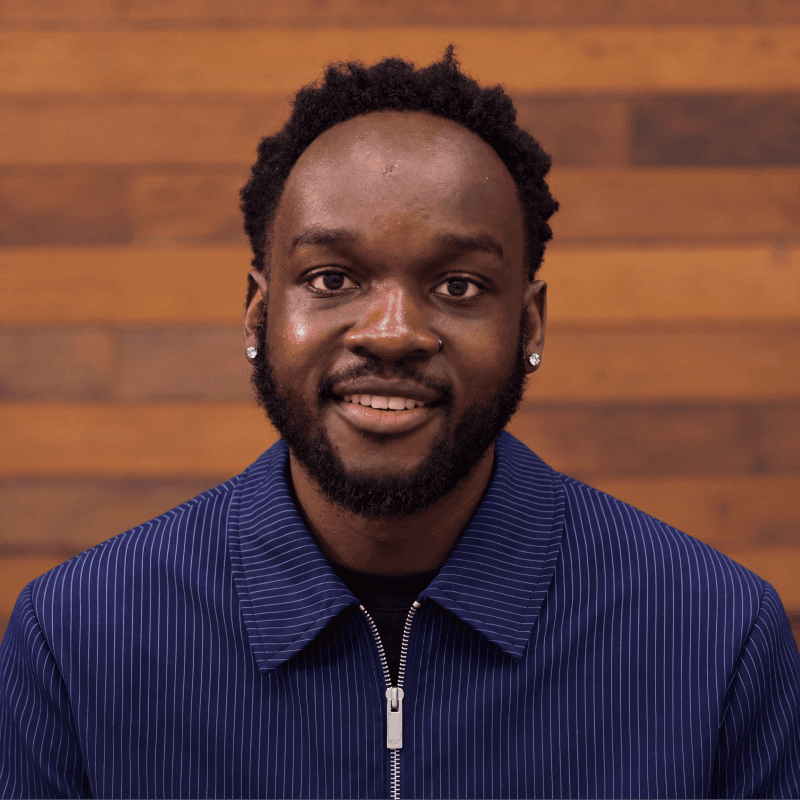
Richard Opondo
Richard OpondoCo-founder · leads fit and commercial framing
Rayan Ratego
Rayan RategoCo-founder · leads architecture, controls and release readiness

You'll work with the founders.

Australia-based. We work remotely, mainly with businesses in Australia and the United States.

Specialist advisory firms are our main focus. We also take on AI implementation for other businesses where we can do the work well.

More about the founders

Questions owners ask.

What does AI implementation include?

Finding where software and AI would genuinely help, agreeing what “better” and “working” mean, designing the system, building it in your environment, connecting it to the tools you use, testing it with your team on real cases and training the people who will run it. It ends with written acceptance and thirty days of stabilisation, not a slide deck.

Do we need to know what we want built?

No. Bring the work you want to improve or the thing you'd like the business to be able to do. Working out what to build, and what not to build, is part of our job.

We already use ChatGPT or Copilot. What would you add?

Keep what works. General AI tools are good at one-off tasks. We look at what sits around them: where the information comes from, who checks the result, where it goes next and what happens when something is missing. Sometimes the answer is better use of what you have.

Will this replace people on our team?

That isn't what we design for, and we don't promise headcount changes. We build with the people who will use the system and train them to run it. The aim is that your team can take on more of the work that matters without carrying more of the load.

How long does it take, and what does it cost?

It depends on the scope. We quote the work, your team's part, the tests and the delivery date in writing before you commit. There's no standard price or duration.

Who runs it afterwards?

Your team runs it, with training and a written handover. Your data stays yours. Continuing support is optional and agreed separately.

How do you handle our data?

We agree permitted sources, minimum access, which providers process data and where, retention and human approval before production work begins. We don't claim ISO 27001 or SOC 2 certification.

Read security and governance

Is your method your own, or based on something?

Our method follows the deployment guidance OpenAI and Anthropic publish for businesses and for the partners who implement their models: start with one contained piece of work, agree measurable success criteria first, test on real cases including the awkward ones, keep a person deciding on consequential actions, run the new way alongside the old one, then expand. Build n Bloom is independent. We are not affiliated with, certified by or endorsed by OpenAI or Anthropic.

Do you only work with advisory firms?

Specialist advisory firms are our main focus, and we also implement AI for other businesses.

If you run an advisory firm, see Build a firm that can deliver more.

Where are you based?

In Perth, Western Australia. We work remotely.

Start with one part of the business you know well.

Talk it through with a founder. Tell us what works, what keeps coming back and what you'd like to make possible. No confidential files or preparation needed. You keep a short reviewed provisional Fit Note and choose the next step with us.

25 minutes · no fee · with a founder